




Choosing the right truck for your adventures around Fort Worth and its vibrant neighborhoods can be a significant decision, but we’re here to guide you through it. At Sam Pack’s Five Star Ford North Richland Hills, we understand the unique demands of drivers from North Richland Hills to Arlington, Grapevine, and beyond. The Ford Super Duty stands out with its rugged capability and innovative features, making it a reliable partner for everything from daily commutes on I-35W to weekend getaways at the Stockyards. In this ultimate guide, we’ll uncover what truly makes the Super Duty exceptional and help you determine if it’s the perfect fit for your lifestyle in Fort Worth and the surrounding areas.
Key Takeaways (TL; DR)
- Body-on-Frame Design: The 2026 Super Duty utilizes a robust body-on-frame construction, ensuring strength and durability for demanding tasks.
- Advanced Technology: It features cutting-edge technology that enhances connectivity and safety, making every drive more enjoyable and secure.
- Spacious Interior: The cabin is designed for comfort and utility, providing ample space for passengers and cargo, perfect for family outings or work needs.
- Enhanced Safety Features: Equipped with modern safety technologies, the Super Duty prioritizes the protection of you and your loved ones during commutes through busy areas like Downtown Fort Worth.
- Versatile Performance: Built to handle both urban driving and off-road adventures, it adapts well to the varied terrains around Fort Worth, from highways to rugged paths.
What is Ford’s History with Trucks?
Ford’s journey in the truck segment began with the introduction of the Super Duty model in 1999, establishing a solid foundation for heavy-duty performance. This model has evolved significantly, enhancing comfort and incorporating innovative technologies that align with the everyday needs of drivers in Fort Worth and surrounding areas.
Over the years, the Super Duty has integrated advanced features like a refined suspension system and cutting-edge infotainment options, making it suitable for both work and leisure. Whether navigating the busy streets of Arlington or commuting along I-35W, this truck offers a reliable driving experience. Key advancements include:
- Comfortable interiors: Upgraded seating and climate controls for long commutes.
- Enhanced towing capabilities: Improved powertrains that support heavy loads, ideal for weekend projects.
- Safety features: Technologies designed to protect families during city traffic.
This evolution matters for Fort Worth drivers, as the Ford Super Duty not only meets the demands of daily driving but also supports weekend adventures, whether you’re heading to the Fort Worth Stockyards or enjoying a day at Panther Island.
What Is Ford’s Philosophy for Building a Truck?
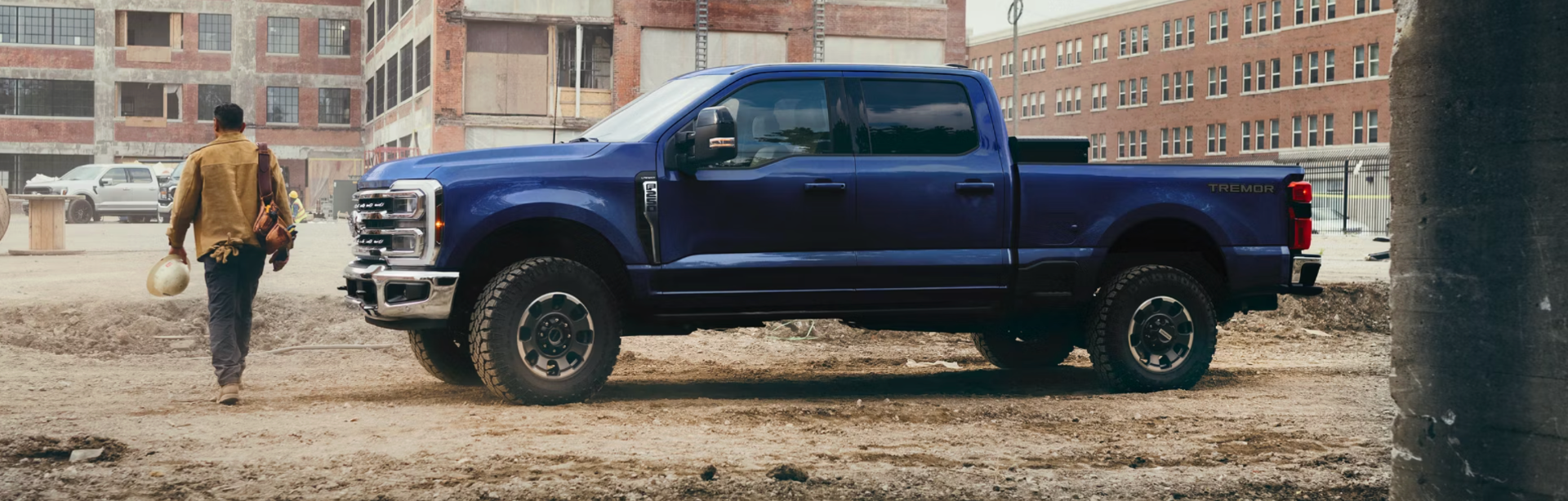
Ford’s philosophy for building a truck centers on durability, reliability, and performance that meets the diverse needs of drivers in Fort Worth and surrounding areas. The 2026 Ford Super Duty, with its robust body-on-frame construction and 4WD drivetrain, exemplifies this approach. What this means for Fort Worth drivers is that you get a truck designed to tackle both daily commutes and weekend adventures, whether you’re navigating the busy I-35W or hauling supplies from a local hardware store to your home in North Richland Hills.
Every detail in Ford trucks reflects a commitment to real-world utility. For instance, the Super Duty’s advanced towing capabilities allow you to transport heavy loads with confidence, making it ideal for weekend trips to the Stockyards or family outings to Panther Island. Here are key elements of Ford’s truck philosophy:
- Built Ford Tough: Sturdy construction ensures durability over time, perfect for Texas weather.
- Innovative Technology: Features like adaptive cruise control enhance safety during long drives.
- Spacious Interiors: Room for the whole family, whether you’re heading to a rodeo or a local event.
- Efficient Performance: Strong fuel economy helps manage rising fuel costs during your daily commute.
Why Is the Ford Super Duty Known for Reliability and Value?
The Ford Super Duty stands out for its reliability and value due to its robust engineering and a legacy of performance that Fort Worth drivers have come to trust. Built with high-quality materials and innovative manufacturing techniques, this truck is designed to withstand the rigors of daily commutes and weekend adventures alike, ensuring you get the most out of your investment.
When you choose a Ford, you’re not just buying a vehicle; you’re embracing a history of craftsmanship. Independent sources, including Consumer Reports, frequently highlight the Super Duty for its impressive reliability ratings and high owner satisfaction. This translates to lower maintenance costs and fewer unexpected repairs, making it a financially sound choice. Additionally, the Super Duty’s strong resale value means it retains more of its worth over time, particularly valuable for those navigating the busy roads of Fort Worth and surrounding areas.
- Durability: Designed to handle tough conditions, ideal for both work and play.
- Lower Maintenance Costs: Fewer repairs mean more savings in the long run.
- High Resale Value: Maintains its worth better than many other trucks on the market.
- Owner Satisfaction: Consistently praised by drivers for reliability and performance.
- Warranty Coverage: Comes with a comprehensive warranty that provides peace of mind.
- Strong Demand: Popularity in the pre-owned market reinforces its value.
How Does the 2026 Super Duty’s Body-on-Frame Design Affect Its Ride and Handling?
The 2026 Ford Super Duty features a robust body-on-frame construction that significantly enhances ride comfort and handling, especially for drivers navigating the busy roads around Fort Worth. This design ensures that the truck can absorb bumps and imperfections on highways like I-35W and I-30, making daily commutes and weekend trips to places like the Fort Worth Stockyards a smooth experience. What this means for Fort Worth drivers is improved stability and comfort, whether you’re hauling gear or just heading to work.
- Exceptional Stability: The body-on-frame design provides a solid foundation, improving handling on both city streets and rural roads.
- Enhanced Comfort: Drivers will appreciate the minimized cabin vibrations on routes through North Richland Hills and Arlington.
- Load Management: With its sturdy chassis, the Super Duty excels in handling heavy loads, perfect for weekend projects or family outings.
- Reliable Performance: The 4WD system ensures optimal traction and control, especially when navigating the occasional icy conditions during Fort Worth winters.
- Improved Safety: Advanced safety features work in tandem with the sturdy frame to keep you and your passengers secure during busy commutes.
- Local Adaptability: Whether you’re cruising down Grapevine Highway or tackling rougher terrain, the Super Duty adapts seamlessly to your driving needs.
For more insights on how the Super Duty measures up, check out Kelley Blue Book.
What Makes the Super Duty’s Bed So Unique?
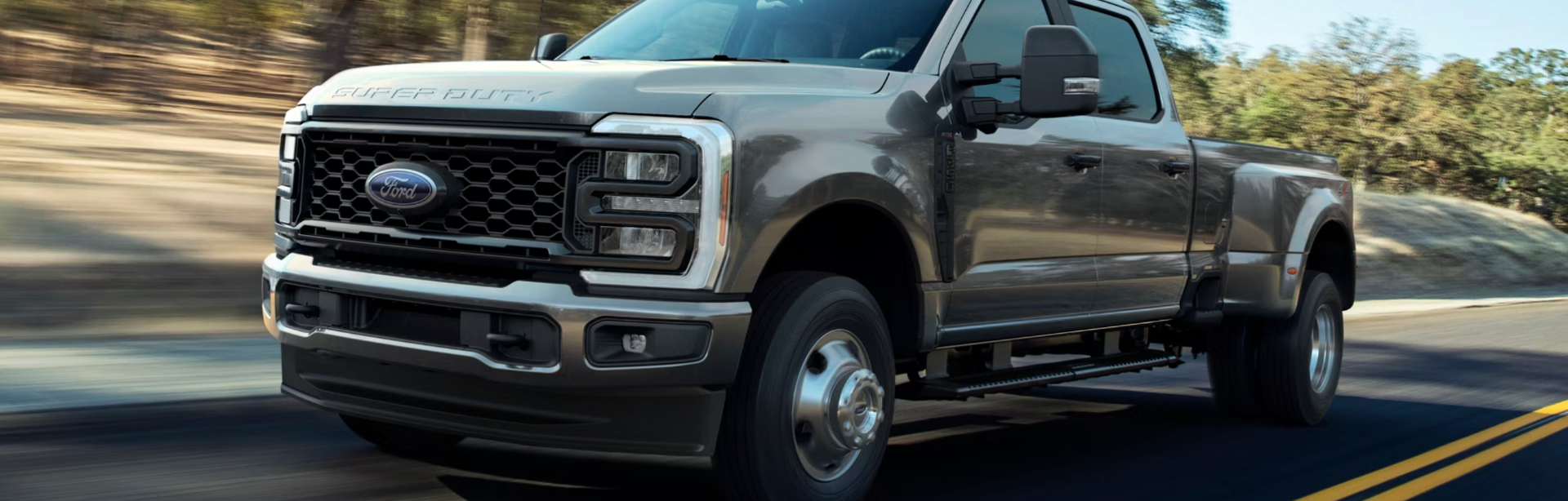
The Ford Super Duty’s bed stands out with its innovative features designed to meet the everyday needs of drivers around Fort Worth. With a strong body-on-frame construction and 4WD capabilities, this truck is perfect for tackling both urban tasks and weekend projects. Here’s how its unique bed features can make your life easier:
- Segmented Bed Design: The bed includes a segmented design that allows for easy access and organization, perfect for loading tools or groceries during your weekly trips to the market in Saginaw.
- Integrated Tie-Downs: Equipped with multiple tie-down points, securing your game-day cooler or construction supplies is a breeze, whether you’re heading to a game at Dickies Arena or hauling equipment for a DIY project.
What does this mean for Fort Worth drivers? It translates to secure storage solutions and easy access, ensuring that you can efficiently manage your daily tasks and weekend adventures without hassle.
Exploring the 2026 Ford Super Duty
The 2026 Ford Super Duty is designed to excel in the diverse driving conditions of Fort Worth, combining rugged capability with advanced features. Built on a robust body-on-frame architecture, this truck is equipped with a dependable 4WD drivetrain, ensuring you can tackle everything from busy urban streets to off-road adventures around Panther Island.
- Enhanced Towing Capacity: This model offers impressive towing capabilities, making it ideal for hauling trailers to the Stockyards or your next weekend getaway.
- Advanced Safety Features: Equipped with cutting-edge technology to keep you and your family secure during commutes on I-35W or I-30.
- Spacious Interior: Designed for comfort, the Super Duty provides ample space for both passengers and cargo, perfect for trips to Dickies Arena or family outings.
- Durable Performance: Built Ford Tough, this truck is engineered to withstand the demands of daily use, whether you’re navigating city traffic or rough terrain.
For Fort Worth drivers, the 2026 Super Duty represents a reliable partner that meets the challenges of both work and play, ensuring you can confidently handle whatever the road throws your way.
What are the 2026 Ford Super Duty Trim Levels?
At Sam Pack’s Five Star Ford North Richland Hills, we understand that choosing the right truck is crucial for navigating Fort Worth’s diverse driving landscape. The 2026 Ford Super Duty lineup offers a range of trim levels tailored to meet the demands of both work and play. Whether you’re hauling supplies for a project in Saginaw or taking the family for a weekend getaway to the Fort Worth Stockyards, each trim delivers features designed for reliability and performance.
This means you’ll find options with powerful towing capabilities, advanced safety features, and innovative technology that enhance your driving experience. From the rugged streets of Downtown Fort Worth to the open stretches of I-35W, the Super Duty trims are built to handle it all.
| Trim | XL | XL | XLT | XLT | Lariat |
|---|---|---|---|---|---|
| Year | 2026 | 2026 | 2026 | 2026 | 2026 |
| Fuel Type | Gas | Electric | Gas | Electric | Gas |
| Drivetrain | 4WD | 4WD | 4WD | 4WD | 4WD |
| EPA-Est. MPG City | N/A (Heavy-Duty trucks over 8,500 lbs GVWR are not EPA rated) | N/A (EPA Exempt) | N/A (Heavy-Duty Class) | ||
| EPA-Est. MPG Highway | N/A (Heavy-Duty trucks over 8,500 lbs GVWR are not EPA rated) | N/A (EPA Exempt) | N/A (Heavy-Duty Class) | ||
| EPA-Est. MPG Combined | N/A (Heavy-Duty trucks over 8,500 lbs GVWR are not EPA rated) | N/A (EPA Exempt) | N/A (Heavy-Duty Class) | ||
| Engine | 6.7L V8 | 6.7L V8 | 6.7L V8 | 6.7L V8 | 6.7L V8 |
| Horsepower | 405 hp @ 5,000 rpm (6.8L); 430 hp @ 5,500 rpm (7.3L) | 405 hp @ 5,000 rpm | 405 hp @ 5,000 rpm | 405 hp | 405 hp @ 5,000 rpm |
| Maximum Towing Capacity | 17,300 lbs (Conventional/Gooseneck with 6.8L); Up to 19,500 lbs (Gooseneck with 7.3L) | 14,800 lbs (F-250 XL Gas Standard) | Up to 18,900 lbs (F-350 configuration) | 17,300 lbs | 17,300 lbs (Conventional) |
What Are the Safety Features of the Ford Super Duty?

Every Ford Super Duty is equipped with the standard Ford Co-Pilot360™ Technology, designed to enhance your driving experience across Fort Worth’s diverse environments, from busy highways to winding country roads. This suite of driver-assist systems provides added confidence during daily commutes and weekend adventures alike.
- Pre-Collision Assist with Automatic Emergency Braking (AEB): This system helps detect potential collisions ahead and can apply the brakes automatically to mitigate or avoid a crash.
- Forward Collision Warning: Alerts you if a collision is imminent, allowing you to take action before a potential impact.
- Post-Collision Braking: Engages brakes after a collision occurs to prevent further damage or injury.
- Hill Start Assist: Prevents rollback when starting on an incline, making it easier to navigate Fort Worth’s hilly terrain.
- Trailer Sway Control: Helps maintain stability while towing, ensuring that you can confidently transport your gear throughout the area.
- Automatic High-Beam Headlamps: Adjusts headlight brightness based on oncoming traffic, enhancing visibility during nighttime drives.
These features work in tandem to support drivers navigating through local traffic on I-35W or cruising through neighborhoods like Saginaw and Keller. For further information about safety ratings and recalls, visit NHTSA.
What Advanced Technology Features Are in the Ford Super Duty?
The Ford Super Duty is packed with cutting-edge technology that enhances convenience and connectivity for everyday life in Fort Worth and surrounding areas. With its intuitive infotainment system, you can stay connected whether you’re navigating I-35W during rush hour or tailgating at Dickies Arena. As noted by Edmunds, this user-friendly interface makes it easy to access features that matter.
- Apple CarPlay® and Android Auto™ Compatibility: Connect your smartphone effortlessly to access navigation, music, and messages right on the truck’s display, allowing you to navigate the busy streets of Dallas or Arlington hands-free.
- 9-Inch Touchscreen Display: A large, clear touchscreen provides easy access to settings and features, making it simple to switch playlists or check directions while on the go.
- Truck-Bed Audio System: This innovative feature turns your truck bed into a sound system, perfect for setting the mood during tailgates at the Fort Worth Stockyards or while working outdoors.
- Ford Satellite-Linked Navigation System™: With voice recognition and Ford HD Digital Traffic, you can navigate without relying on your phone’s data-ideal for avoiding congestion on I-30.
- FordPass™ Connect: Stay connected with a 4G LTE Wi-Fi hotspot, allowing you and your passengers to stream or browse the internet anywhere from Keller to Saginaw.
- Adaptive Cruise Control: This feature adjusts your speed to maintain a safe distance from the car ahead, providing peace of mind during those long commutes through heavy traffic.
What Does the Future Hold for Ford Trucks?
The future of Ford trucks is poised for exciting advancements that focus on real-world applications for drivers in Fort Worth. It’s reasonable to expect enhancements in refinement, efficiency, and safety technologies, along with a strong push towards electrification. Ford is committed to understanding how people use their vehicles every day, ensuring that innovations align with everyday needs.
As we look ahead, several key areas are likely to receive Ford’s attention:
- Efficiency: Expect advancements in fuel economy and hybrid options that cater to the rising costs of fuel and commuting times.
- Safety Tech: Continued improvements in driver-assistance features will enhance protection on bustling roads such as I-35W and I-30.
- Connectivity: Integration of smart technologies will keep drivers connected, making daily commutes smoother and more enjoyable.
- Storage Innovation: New designs may offer better cargo solutions for everything from work gear to family outings at the Fort Worth Stockyards.
These directions not only reflect Ford’s ambition to innovate but also highlight their dedication to meeting the practical demands of everyday life for drivers around Fort Worth.
Frequently Asked Questions (FAQs)
What Ford truck models currently exist?
The current lineup includes the 2026 Ford Super Duty models: F-250, F-350, and F-450, all designed as heavy-duty work trucks with robust capabilities.
Is the Super Duty a “real truck” and what does that mean?
Absolutely! The Super Duty is classified as a full-size heavy-duty pickup, built for tough jobs and designed to handle heavy loads, making it a reliable choice for work and play.
Is a new truck coming soon or what is the current-generation status?
The 2026 Ford Super Duty represents the latest generation, featuring advanced technology and improved performance, so customers can expect cutting-edge capabilities right now.
Does Ford have a small truck, and how is the Super Duty classified?
Ford’s lineup includes various models, but the Super Duty itself is categorized as a heavy-duty truck, unlike smaller options that may be available in the Ford range.
What community initiatives does Sam Pack’s Five Star Ford North Richland Hills support?
Sam Pack’s Five Star Ford North Richland Hills actively supports over 50 local organizations and charities, demonstrating their commitment to making a positive impact in the community.
What is the history of Sam Pack’s Five Star Ford North Richland Hills?
Since 1991, Sam Pack’s Five Star Ford North Richland Hills has built a reputation for award-winning service, earning accolades like Ford’s prestigious Triple Crown Award for 24 consecutive years.
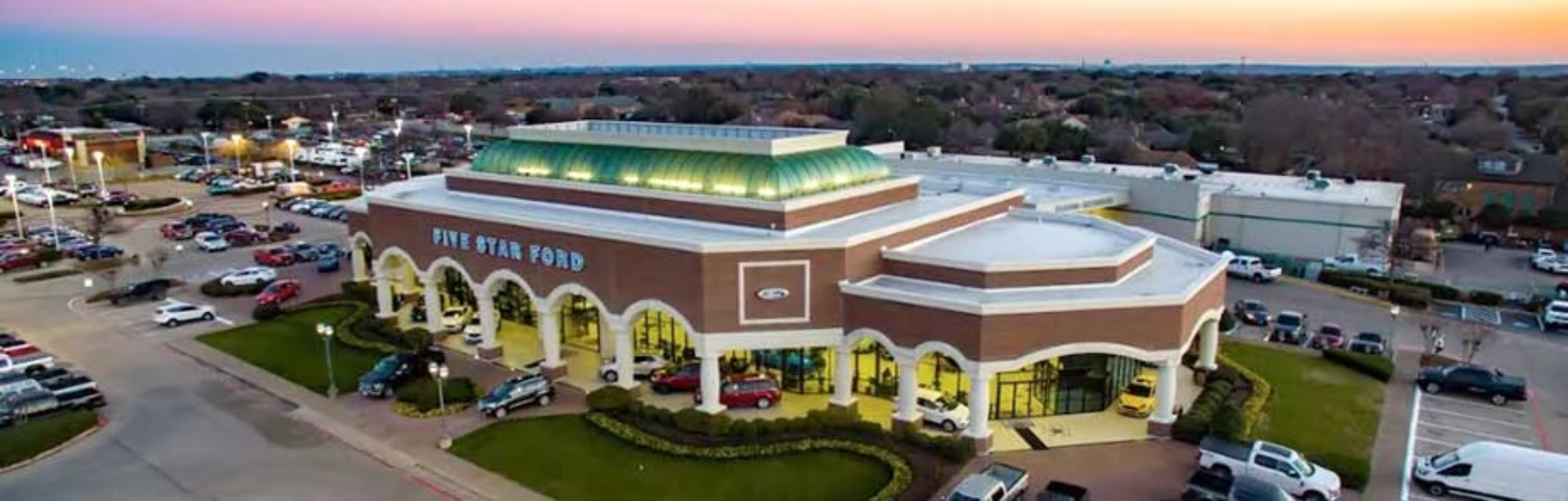
About Sam Pack’s Five Star Ford North Richland Hills
At Five Star Ford North Richland Hills, we've been proudly serving the community since 1991 with award-winning service and a commitment to excellence. As the only dealership in the nation to earn Ford's prestigious Triple Crown Award 24 years in a row and a 25-time President's Club winner, our expertise and dedication are unmatched. Our Ford Certified sales team offers a no-haggle, transparent buying experience with amenities like virtual showrooms, same-day financing, and personalized video walkarounds. Beyond sales, our service department boasts 58 bays and 36 Master Technicians, ensuring your vehicle is in the best hands. We're also deeply rooted in the community, supporting over 50 local organizations and charities to make a difference where it matters most.
Related Articles:
Your Complete Guide to Finding the Best Ford Dealer in the DFW Area


