



Ford Recommended Service Schedule Explained
Author: Sam Pack’s Five Star Ford North Richland Hills Team
Welcome to your locally tailored maintenance guide for Fort Worth drivers! Whether you’re navigating the busy streets of downtown or cruising through nearby North Richland Hills, Arlington, Grapevine, Saginaw, Dallas, or Keller, this guide is designed with your unique driving conditions in mind. At Sam Pack’s Five Star Ford North Richland Hills, we’ve built our reputation on decades of community trust and expertise in servicing Ford vehicles. With our knowledge of local roads and climate, we’ll help you keep your vehicle in peak condition, ensuring it remains reliable for both your daily commutes and weekend adventures.
Why Should You Follow a Maintenance Schedule for Your Ford?
Following a maintenance schedule is crucial for protecting your investment and ensuring your Ford remains a dependable partner for your daily drives in Fort Worth. The local climate-characterized by intense summer heat and high humidity-can stress essential components like fluids and belts. Additionally, the spring pollen can clog air filters, impacting your vehicle’s efficiency. By adhering to the recommended service intervals, you’re proactively addressing these challenges, ensuring your Ford is ready for everything from a quick trip to the Fort Worth Stockyards to daily commutes along I-35W.
Regular maintenance not only enhances your vehicle’s performance and fuel efficiency but also boosts safety and gives you peace of mind. A well-maintained Ford, like the robust F-150 or the versatile Explorer, is better equipped to handle the stop-and-go traffic on Camp Bowie Boulevard or the longer drives to DFW International Airport. It’s not merely about avoiding breakdowns; it’s about ensuring your vehicle performs as intended, providing you confidence on every journey. For more insights on vehicle care, resources like Edmunds offer a wealth of information.
How Does Ford’s Service Reminder System Work?
Many modern Ford vehicles keep you informed about when routine maintenance is due. Depending on the specific model and year, this reminder may come from a simple time or mileage-based counter, or it might adjust based on how the vehicle is being driven. This flexibility is designed to help you stay on top of your vehicle’s maintenance needs.
When it’s time for service, drivers typically see a dashboard message, a service indicator light (like a wrench), a maintenance reminder, or an oil-life percentage display. The exact notification method may vary by model, so it’s always a good idea to consult your owner’s manual for the specific details. Keep in mind that local driving conditions around Fort Worth-like short trips, stop-and-go traffic on I‑35W, or towing in varied temperatures-can influence how often maintenance is required.
What Does the Primary Service Reminder Mean?
Following our discussion on service reminders, it’s essential to grasp what the primary reminder conveys about your vehicle’s maintenance needs. This reminder acts as a general alert that scheduled maintenance is either due or approaching. Depending on the model and year, some vehicles may display a simple message or light, while others may provide a more detailed maintenance screen or settings menu. For precise service requirements, it’s best to consult your owner’s manual or the in-vehicle maintenance information.
Primary reminder: A general indication that it’s time to review your vehicle’s scheduled maintenance guidelines and plan for service. This reminder serves as a prompt, indicating that maintenance is due without specifying every individual service item.
Additional details (if shown): Certain vehicles may offer extra insights, such as a maintenance screen, percentage of service completion, descriptive messages, or symbols that clarify what requires attention. If your vehicle provides these additional details, make sure to use them in conjunction with the owner’s manual to verify the recommended services.
What Do Additional Service Indicators Mean?
Some vehicles provide extra details beyond the primary service reminder, including additional items or symbols that assist in determining what type of service may be due. These indicators can vary significantly by vehicle, so it’s important to consult your owner’s manual for specific meanings. Below are common examples of service items that you might encounter in some vehicles.
- Tire rotation: Regular tire rotation helps ensure even tread wear, which is particularly important for drivers navigating the stop-and-go traffic around Fort Worth or taking trips down I-30.
- Engine and cabin air filters: The engine air filter maintains optimal airflow, while the cabin air filter ensures clean air inside your vehicle. Dust and pollen, especially prevalent during certain seasons in the Fort Worth area, can clog these filters.
- Transmission fluid: Some vehicles may indicate when it’s time to service the transmission fluid, particularly if you frequently drive in hilly areas or face heavy traffic, both of which can generate excess heat.
- Spark plugs and valve clearance check (when applicable): Certain engines may require spark plug replacements and valve clearance checks, especially as they age. These checks are typically recommended for higher mileage or time-based service intervals.
- Engine coolant: Engine coolant is essential for regulating temperature and protecting components. High temperatures during summer drives or heavy loads can increase the demand on your cooling system.
- Rear differential fluid (AWD/4WD, if equipped): Vehicles with all-wheel drive or four-wheel drive may require differential fluid service, especially after driving in wet conditions or on rough terrain around areas like the Stockyards.
- Brake fluid: As brake fluid ages, it can absorb moisture, which may affect braking performance. If your vehicle indicates a need for brake fluid service, it’s important to adhere to the recommended intervals for your specific model.
What is a Typical Ford Service Schedule for Fort Worth Drivers?

Even if your vehicle provides service reminders or maintenance information in the dash/menu, it’s still helpful to understand the typical timing of maintenance milestones so you can plan ahead. The overview below is a general reference designed to complement your owner’s manual and any in-vehicle guidance (if equipped), and it accounts for common driving patterns in Texas-like short trips, stop-and-go traffic, steady highway driving, and seasonal temperature changes.
What Services Are Needed in the First 30,000 Miles?
During the first 30,000 miles, the focus is on preventative care and inspections.
- Oil & Filter Service: Ford’s Intelligent Oil-Life Monitor (IOLM) will notify you, typically between 7,500 and 10,000 miles. However, for Fort Worth drivers idling in I-35W traffic or driving in 100°F heat, Ford recommends the “Severe Duty” interval of 5,000 to 7,500 miles.
- Tire Rotation: Should be performed every 7,500 to 10,000 miles (usually at every oil change) to ensure even tread wear.
- Cabin Air Filter: Replace every 15,000 to 20,000 miles. In high-pollen areas like North Richland Hills, an annual check is recommended.
What Maintenance Should Be Done Between 30,000 and 60,000 Miles?
As your Ford ages, we move into secondary fluid checks.
- Engine Air Filter: Replace every 30,000 miles.
- Brake Fluid: Ford now recommends a brake fluid flush every 3 years, regardless of mileage, to prevent moisture contamination.
- Transmission Fluid: While the “Normal” Ford schedule lists this at 150,000 miles, Ford’s “Special Operating Conditions” (for towing or heavy city driving) suggests servicing the fluid and filter at 30,000-mile intervals for certain models or 60,000 miles for others.
What Major Services are Required Approaching 100,000 Miles?
This is the most critical window for long-term reliability.
- Spark Plugs: Most Ford engines (EcoBoost and Ti-VCT) require new plugs at 100,000 miles.
- Engine Coolant: For most modern Fords, the first coolant change is due at 100,000 miles or 6 years, and every 50,000 miles or 3 years thereafter.
- Drive Belts: A thorough inspection of accessory drive belts is required at 100,000 miles, with replacement typically occurring by 150,000 miles if not sooner.
Spark plug replacement: Many Ford models, like the F-150 and Explorer, may recommend changing spark plugs around this mileage. New spark plugs can enhance fuel efficiency and ensure smoother engine performance, which is crucial as wear and tear accumulate over years of driving on Fort Worth’s bustling highways.
Timing belt and coolant service: For some older engine designs, a timing belt may require replacement at this point, while many newer Ford engines utilize a timing chain that doesn’t have a regular replacement interval. Additionally, a coolant flush or replacement is often advised to protect your cooling system from corrosion and overheating. Addressing these services can significantly improve reliability and resale value over time; you can check Kelley Blue Book for insights on how regular maintenance impacts long-term vehicle value.
Why is Local Expertise Important for Servicing Your Ford?
Having a service team that understands the unique challenges of the Fort Worth area is crucial for maintaining your Ford. From the sweltering heat and high humidity that can strain your vehicle’s A/C and cooling systems to the seasonal pollen that can clog air filters, local technicians are equipped to tackle these specific issues. They are also familiar with the effects of clay-rich soil on tire wear and how heavy traffic on roads like I-35W and I-30 can impact your vehicle’s performance. This local expertise ensures your Ford is ready for the distinct demands of driving in North Richland Hills and beyond.
Our technicians carefully monitor for region-specific wear and tear caused by local driving habits and road conditions. This proactive approach can extend the life of your vehicle and enhance safety, as outlined by the National Highway Traffic Safety Administration (NHTSA). For those interested in further automotive insights, the official Ford Owners site provides valuable model-specific details.
Frequently Asked Questions (FAQs)
How often should I really change my oil in Fort Worth’s climate?
For Fort Worth drivers, following your vehicle’s service reminder or owner’s manual is essential, as oil change intervals can differ based on your driving habits and conditions. Typically, in our hot summers, oil changes are recommended every 5,000 to 10,000 miles, especially for those regularly commuting on busy routes like I-35W.
Are all-season tires enough for driving around Fort Worth?
High-quality all-season tires are generally suitable for most of the year in Fort Worth, providing reliable traction for both rainy days and mild winter conditions. However, during heavy summer storms, consider checking tire tread for optimal performance.
Does commuting on local highways affect my service intervals?
Yes, frequent stop-and-go traffic on congested highways like I-30 can put extra strain on your vehicle’s engine, transmission, and brakes. Many vehicles with maintenance reminder systems may prompt service sooner due to these conditions.
With the dust and allergens in the area, how often should I change my cabin air filter?
Inspecting your cabin air filter annually is wise, particularly after the pollen-heavy spring season. Many drivers in Fort Worth find that replacing it every 12,000 to 15,000 miles ensures clean air inside their vehicles and helps maintain efficient A/C operation.
Is AWD worth it for Fort Worth drivers?
While not necessary for everyone, a Ford with available AWD can enhance stability and traction during heavy rains on local roads, giving you added confidence while driving. It’s particularly beneficial if you frequently navigate through sudden weather changes.
My vehicle doesn’t have a service reminder system. What schedule should I follow?
For older Ford models without a service reminder, a good practice is to change the oil every 5,000 miles with conventional oil or every 7,500 miles with synthetic oil. Always refer to your owner’s manual for service intervals related to other components like filters and belts.
About Sam Pack’s Five Star Ford North Richland Hills
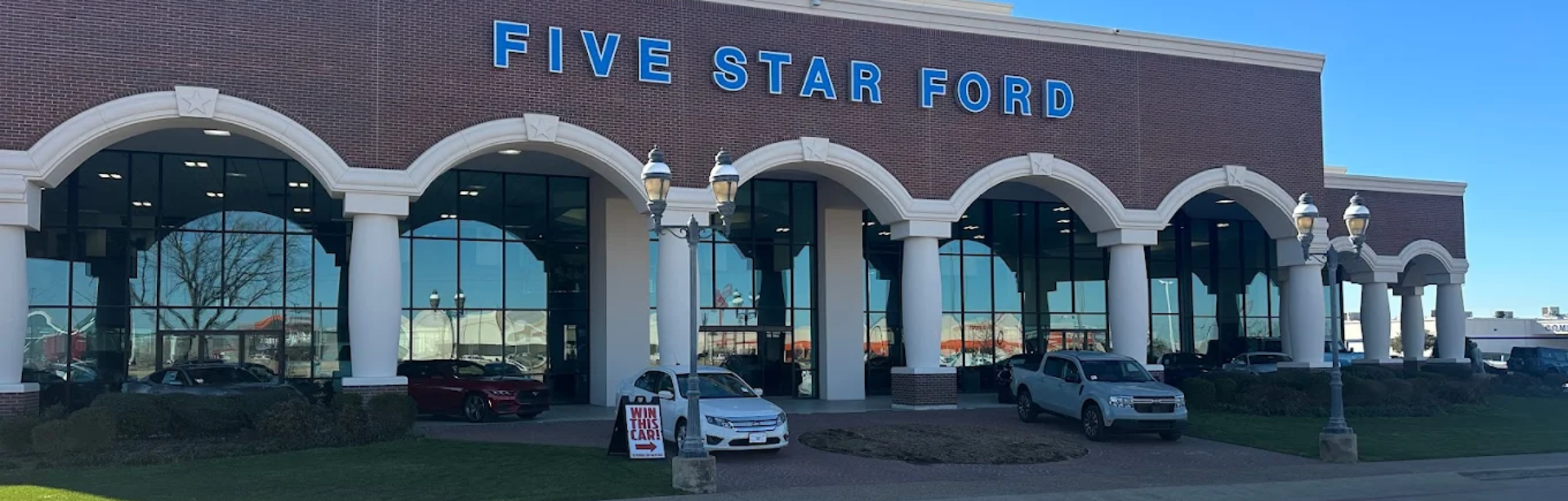
At Five Star Ford North Richland Hills, we’ve been proudly serving the community since 1991 with award-winning service and a commitment to excellence. As the only dealership in the nation to earn Ford’s prestigious Triple Crown Award 24 years in a row and a 25-time President’s Club winner, our expertise and dedication are unmatched. Our Ford Certified sales team offers a no-haggle, transparent buying experience with amenities like virtual showrooms, same-day financing, and personalized video walkarounds. Beyond sales, our service department boasts 58 bays and 36 Master Technicians, ensuring your vehicle is in the best hands. We’re also deeply rooted in the community, supporting over 50 local organizations and charities to make a difference where it matters most.
Related Articles:
Your Complete Guide to Finding the Best Ford Dealer in the DFW Area


